works on paper
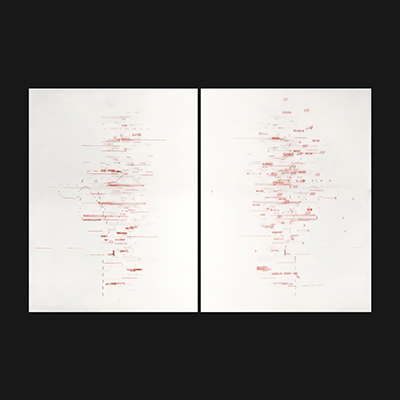
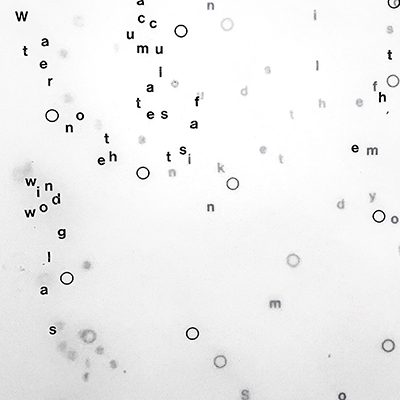
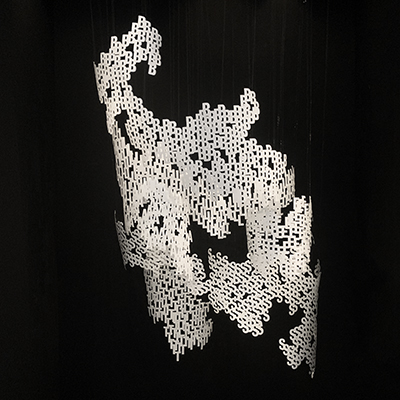
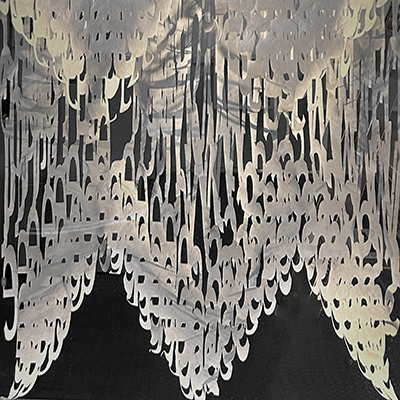
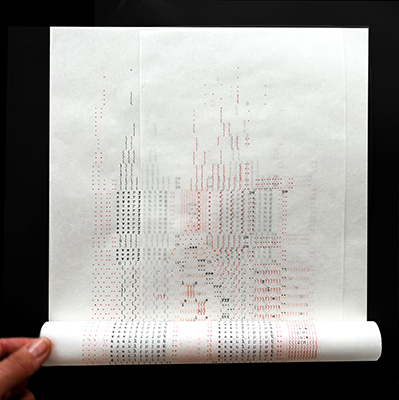
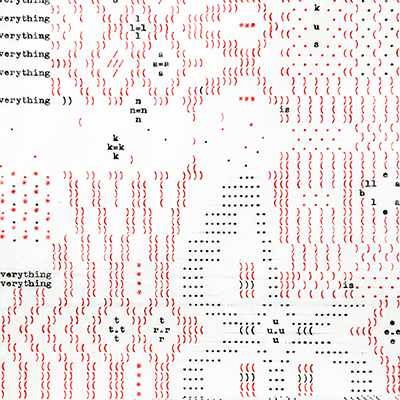
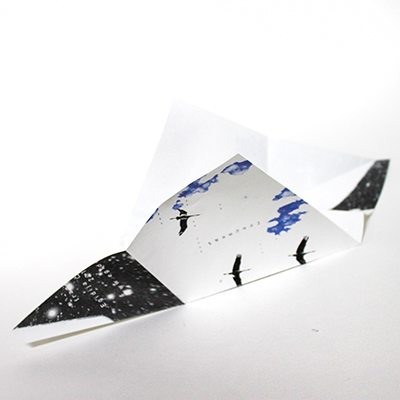
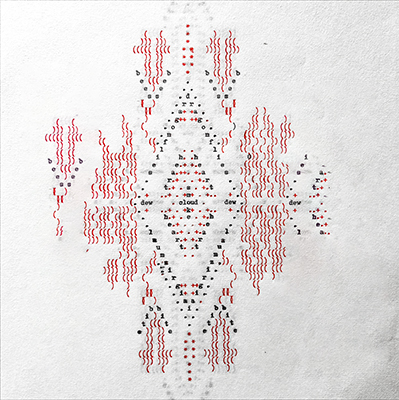
Typewriter prints, papercuts, drawings and scrolls.
*
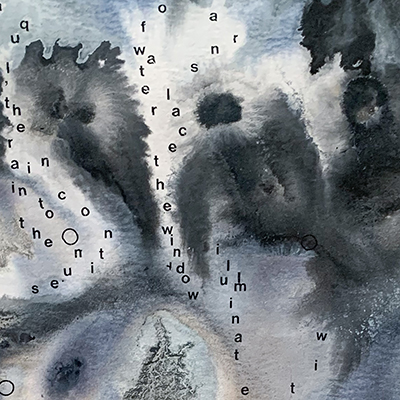
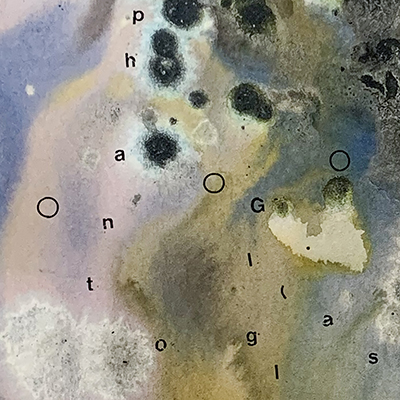
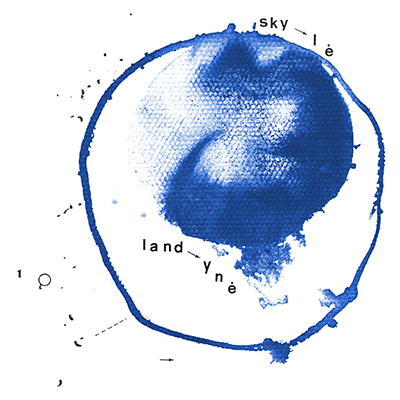
Visual poetry is a hybrid experience, where words and their meanings emerge in space and relate to one another through space as much as through sequence. It asks for a hybrid way of reading — it asks to read a poem as if it were a painting in a poem in a painting: letting the eyes wander, allowing words to emerge from the surface and sink back into it, reconstruct reading hierarchies, relink the lines into new sequences of their own.
Samuel Taylor Coleridge said that poetry is the best words in the best order. .
These works take as much thought and effort as my theory does, by an almost identical process: weeks of careful planning and diagramming, then some intuitive frolicking at the typewriter or Letraset, then weeks of intense focus producing the final pieces.
*
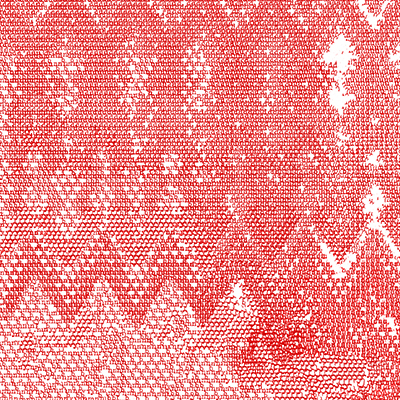
I am often asked about the mystical or conceptual reasons for the work being red and black. The answer is disappointingly uncomplicated. I use old red and black typewriter ribbons. I like the simplicity of two colours, which lets me attend to the words and the patterns instead.
*
Typing on a typewriter is finite. Each key leaves a unique print that cannot be deleted. If I miscalculate a space, the pattern shifts and shrinks, in the same way as a miscalculated warp does on the loom. Persian weavers would introduce a small imperfection into their carpets out of humility. My prints are scattered with errors, and they are as much a part of the work, and as invisible, as the imperfect stitch is part of the rug.